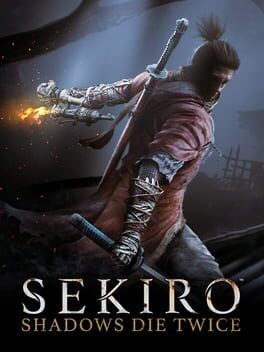
Sekiro: Shadows Die Twice — The Art of the Perfect Parry
Sekiro: Shadows Die Twice is the purest expression of FromSoftware's combat design philosophy. Stripping away the RPG elements of Dark Souls — the multiplayer, the build variety, the armor sets — the studio created something lean, focused, and devastatingly precise. This is a game about one thing: the clash of steel. And in that narrow domain, it achieves absolute perfection.
The posture system is one of the most elegant combat mechanics in gaming history. Rather than simply depleting a health bar, Sekiro asks you to break your enemy's composure through relentless, rhythmic aggression. Deflecting an enemy's attacks — not blocking, but perfectly timing a parry to create a shower of sparks — is central to this system. When you finally break an enemy's posture and deliver a devastating Deathblow, the satisfaction is almost indescribable. It transforms every fight, from the lowliest foot soldier to the mightiest boss, into a lethal dance of attack and deflection.
The Prosthetic Tool system adds a layer of tactical flexibility. The Loaded Shuriken, the Firecrackers, the Flame Vent, and the Loaded Umbrella each serve specific purposes against different enemy types. Learning when to deploy each tool — using Firecrackers to stun beast-type enemies, or the Loaded Umbrella to absorb otherwise unblockable attacks — is deeply satisfying. The skill trees, which unlock powerful Combat Arts and latent abilities, provide meaningful progression without undermining the game's emphasis on player skill.
The boss roster is among FromSoftware's finest. Genichiro Ashina, encountered early in the game, serves as a masterful skill check that teaches players the core mechanics. Lady Butterfly, Guardian Ape, and the Corrupted Monk all provide memorable, multi-phase challenges. But it is the final battle against Isshin, the Sword Saint — a grueling, four-phase gauntlet that tests every skill the player has learned — that stands as one of the greatest boss encounters in all of gaming. Defeating Isshin feels less like winning a fight and more like earning a black belt.
The world of Ashina is rendered with a stunning attention to period detail. The castle town, with its burning buildings and desperate soldiers, conveys the chaos of a nation under siege. The Sunken Valley, a vast canyon inhabited by gun-wielding monkeys and a massive serpent, is one of the most visually striking environments in any FromSoftware game. The Fountainhead Palace, a celestial realm of otherworldly beauty, provides a breathtaking contrast to the war-torn landscapes below. The interconnected level design, while more linear than Dark Souls, rewards exploration with hidden paths, optional mini-bosses, and valuable upgrade materials.
The resurrection mechanic, which allows Wolf to revive once after death during combat, is more than a gameplay convenience — it's a narrative device that feeds directly into the story's themes of immortality, sacrifice, and the cost of defying natural order. The Dragonrot system, which spreads disease through NPCs each time you resurrect, creates a genuine moral tension between self-preservation and the well-being of the characters you've come to care about. This integration of narrative and mechanics is characteristic of FromSoftware's sophisticated design philosophy.
The multiple endings reward repeat playthroughs with dramatically different narrative conclusions. The Shura ending, which can be reached midway through the game, transforms Wolf into the very thing he swore to destroy — a demon consumed by bloodlust. The Return ending requires following a hidden questline that spans the entire game, culminating in a journey to the Divine Realm. These branching paths ensure that Sekiro maintains its replay value long after the initial credits roll.
The Prosthetic Tool system provides extraordinary combat versatility within Sekiro's focused design philosophy. The Loaded Shuriken interrupts airborne enemies, the Flame Vent staggers red-eyed beasts, the Loaded Umbrella provides crucial defense against otherwise unavoidable attacks, and the Mist Raven allows teleportation-like repositioning. Mastering the situational application of these tools — knowing when to deploy the Firecracker against animal bosses, when to use the Divine Abduction to turn enemy crowds — adds layers of tactical depth that reward experimentation and encyclopedic enemy knowledge.
The world design, while more linear than FromSoftware's typical interconnected labyrinths, is meticulously crafted with vertical exploration opportunities that capitalize on the grappling hook's remarkable mobility. The Ashina Castle rooftops, the Sunken Valley's vertiginous cliff faces, and the hidden forest's foggy canopy create environments where spatial awareness extends in all three dimensions. The late-game revisitation of early areas, transformed by narrative events and newly aggressive enemy placements, provides a satisfying sense of place and consequence.
Sekiro is not a game for everyone. It is demanding, unforgiving, and offers no difficulty settings or co-op assistance. But for those who persevere, it offers a singular reward: the mastery of a beautifully designed combat system that makes you feel like a genuine shinobi warrior. It is a game about discipline, perseverance, and the quiet pride that comes from overcoming the seemingly impossible.