Overwatch — The Vibrant Collision of Team Spirit and a Hopeful Future
The history of the video game industry is littered with the ghosts of canceled, overly ambitious projects. For years, the gaming community whispered about "Project Titan," a massive, secretive Next-Generation MMO that Blizzard Entertainment had been developing to serve as the spiritual successor to World of Warcraft. When Blizzard suddenly announced the cancellation of the project after seven years of development and millions of dollars spent, the industry was shocked. Yet, from the catastrophic ashes of "Titan," Blizzard’s developers managed to salvage core concepts, art assets, and a renewed sense of purpose to forge a phoenix that would change the world. Released in 2016, Overwatch was not just a successful video game; it was a cultural phenomenon that single-handedly redefined the "hero shooter" genre for an entire generation.
At a time when the competitive first-person shooter market was heavily dominated by military shooters—games draped in bleak palettes of gray, brown, and olive drab, focusing almost entirely on twitch reflexes, kill-to-death ratios, and lone-wolf mentalities—Overwatch drops like a brilliantly colored, wildly optimistic bomb. Set in a bright, near-future Earth where a global crisis had forced the world’s greatest minds, soldiers, and oddballs to unite, the game celebrated diversity, color, and heroism. But most importantly, it fundamentally shifted the competitive focus away from "individual carry" and placed the crown firmly on the head of "team synergy."
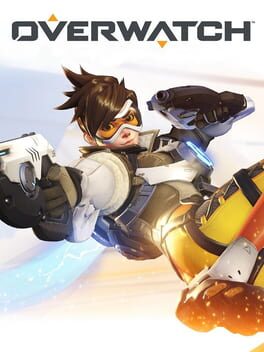
The absolute greatest triumph of Overwatch is, without a shadow of a doubt, its immaculate character design. Blizzard’s legendary art and narrative teams managed to transform every single hero into a pop-culture icon with a distinct personality, rich backstory, and a totally unique silhouette. The characters were not just vessels for weapons; they were living, breathing entities. You had Tracer, the impossibly energetic British pilot with the ability to zip through time; Winston, a massive, highly intelligent, peanut-butter-loving gorilla scientist from the moon; and Reinhardt, a towering German crusader swinging a rocket-powered hammer to protect his allies. The visual design was so meticulously crafted that, even in the absolute visual chaos of a massive team fight with particle effects exploding everywhere, you could instantly identify an enemy merely by the outline of their posture in a fraction of a second. This instant readability is the hallmark of masterclass competitive design.
The core gameplay loop is built upon a delicate, constantly shifting "rock-paper-scissors" dynamic divided into three primary roles: Tank, Damage, and Support. Overwatch forcibly strips away the selfish mindset of traditional shooters. It does not matter if you have the mechanical aim of a professional esports god; if your team lacks a Tank (like a Reinhardt holding his massive shield) to absorb incoming fire and create physical space, or a Support (like Ana or Mercy) to keep your health pools topped off, you will lose the match. The game is an intricate dance of interlocking abilities. The true magic happens when abilities synergize perfectly. Firing Zarya’s Graviton Surge to suck the entire enemy team into a black hole, and perfectly coordinating with your Hanzo to unleash his twin spirit dragons directly into the trapped enemies—watching the entire enemy team evaporate in a split second—delivers one of the most potent, intoxicating rushes of dopamine in gaming history. Six strangers, operating without speaking, moving as a single hive mind to execute a flawless combo is the absolute peak of the Overwatch experience.
The map design is equally as vibrant and deeply woven into the lore of the universe. From the narrow, cobblestone streets and double-decker buses of King’s Row in London, to the serene, cherry-blossom-filled courtyards of Hanamura in Japan, every map is meticulously balanced for different game modes like Payload or Control Point. More importantly, the maps dictate the viability of certain heroes. A sniper like Widowmaker might absolutely dominate the long, open sightlines of Route 66, but become completely useless in the claustrophobic corridors of Lijiang Tower. This forces the mechanic of "hero switching" mid-match. Overwatch is a game of constant adaptation. When the enemy team counters your strategy, returning to the spawn room to completely change your team composition is akin to playing high-speed, violent chess.
Furthermore, we must discuss the genius of the "Ultimate" economy. Waiting for that circular meter in the bottom center of your screen to reach 100% is waiting for the moment you can single-handedly turn the tide of battle. The sound design plays a crucial role here. The sheer, ice-cold panic that grips your heart when you hear the enemy McCree (now Cassidy) slowly drawl, "It's High Noon," or the terrifying scream of an enemy Genji drawing his dragon blade, forces everyone to scatter in sheer terror. The game communicates crucial information through audio cues—different footsteps, weapon sounds, and ultimate voice lines—far better than most games do through their UI.
Naturally, over the years, the game struggled with severe balancing issues. The community endured long, frustrating periods of stale "metas" (such as the infamous GOATS composition of three tanks and three supports that made damage heroes obsolete), struggles with toxic player behavior, and controversial developer decisions. The transition into Overwatch 2, which dramatically reduced the team size from six to five and altered fundamental mechanics, deeply divided the player base. However, nothing can erase the sheer, unadulterated magic of the game’s first few years. Seeing your own name pop up on the screen for the coveted "Play of the Game," watching the Pixar-quality animated shorts that expanded the lore, and experiencing the incredible thrill of teamwork cemented Overwatch as a historic milestone. It was more than a game; it was a cultural touchstone that proved that working together is always more powerful than fighting alone.