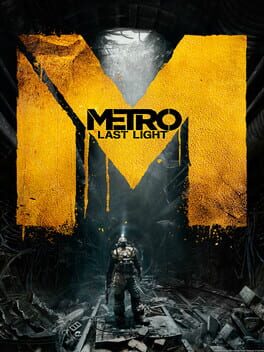
Metro: Last Light — A Glimmer of Hope in the Absolute Dark
Post-apocalyptic scenarios are a frequently explored, and sometimes painfully overused, theme in the video game industry. However, the Metro universe—born from the brilliant mind of author Dmitry Glukhovsky and meticulously crafted by the talented developers at 4A Games—has always stood apart in this sea of clichés. The claustrophobic, suffocating tunnels of the Moscow metro that we first encountered in Metro 2033 undergo not just a visual and mechanical evolution in Metro: Last Light, but a profound narrative one. This game does not merely hand you a rifle and ask you to shoot mutants; it presents a desperate attempt by humanity to rise from its own radioactive ashes, seamlessly blending survival horror with the profound psychological guilt of a man trying to find his way in the pitch black. It is not just a first-person shooter; it is an intimate, harrowing journey into the darkest corners of the human soul.
The narrative immediately grips you by picking up right after the 'bad'—yet canonically accepted—ending of the first game. As Artyom, we have found the legendary military bunker known as D-6 and subsequently called down a devastating missile strike on the Dark Ones. These mysterious, psychic beings were widely misunderstood; they were not monsters, but perhaps humanity's next evolutionary step, or our only hope for salvation. Now, Artyom is a respected member of the Ranger order, yet a raging storm of regret and trauma tears at his inner world. The very moment those missiles rained down on the botanical gardens remains a haunting, echoing nightmare in his mind. Last Light, as the name poetically implies, is a desperate, nearly hopeless odyssey to find the very last surviving infant Dark One. It is a quest for redemption, an attempt to right a catastrophic, world-ending wrong.
The storytelling is undeniably one of the game's most robust muscles. Unlike the vast majority of modern FPS titles that rely heavily on bombastic cutscenes to spoon-feed exposition, Last Light is a masterclass in environmental storytelling. As you walk through the makeshift stations built within the rusted train cars, you don't just pass through; you linger. You eavesdrop on men sharing meager rations and recounting tales of the surface, you feel the crushing melancholy of a lone figure strumming an out-of-tune guitar in the shadows, and you watch hollow-eyed children playing with toys fashioned from spent bullet casings. These breathtakingly human moments make you realize in your very bones that the metro is not merely a combat arena; it is a living, breathing, and deeply suffering society clinging to the edge of existence.
Mechanically, 4A Games polished the rough edges of its predecessor to a mirror shine. The gunplay is significantly heavier, the recoil more authentic, and the hit registration profoundly satisfying. Yet, the series' unique, oppressive 'survival' texture has not been compromised in the slightest. The ingenious mechanic where pre-war, military-grade ammunition serves as both the universal currency and your most devastating firepower remains perfectly intact. This brilliant design choice constantly forces the player into agonizing dilemmas: 'Do I load my precious, literal money into my weapon to survive this armored mutant attack, or do I risk my life fighting with low-quality, dirty, scavenged bullets?'
Furthermore, the stealth mechanics experience their golden age in Last Light. The shadows are your greatest allies in the damp, decaying labyrinths of the underground. Shooting out light bulbs, unscrewing fuses, and slipping through enemy lines like a phantom delivers an unparalleled sense of satisfaction. While the enemy AI can occasionally exhibit minor inconsistencies, infiltrating a heavily fortified Neo-Nazi Reich outpost or a Communist Red Line trench without raising a single alarm requires genuine tactical mastery. The game allows you to go in with shotguns blazing, but the hidden 'moral compass' system constantly judges your actions. Sparing surrendering soldiers, listening to conversations rather than interrupting them with violence, and choosing the path of a ghost rather than an executioner are all vital if you wish to see the game's true, redemptive ending.
The atmosphere and audio design are where this game elevates itself to a masterpiece. When you are forced to venture to the irradiated surface, the terrifying crackle of your Geiger counter as radiation spikes, the condensation and blood splattering onto your gas mask, the panicked sound of Artyom's heavy breathing, and the manual necessity of physically wiping your visor clean—these granular details forge an unbreakable, immersive bond between the player and the world. The stunning, ruined vistas of Moscow, paired with the blood-curdling screeches of the winged Demons and the glowing eyes of mutant Watchmen hunting you in packs, keep you in a perpetual state of hyper-vigilance.
Graphically, Last Light was lightyears ahead of its time. The in-house 4A Engine rendered light and shadow with a realism that was almost frightening. The way your lighter's feeble flame reflects off wet tunnel walls, the sickening crackle of burning mutant spiderwebs, and the dynamic weather on the surface prove that this is a handcrafted work of art. Knowing that the development team in Kyiv coded this masterpiece under grueling conditions, often smuggling hardware and dealing with constant power outages, multiplies the respect it commands. In the end, Metro: Last Light is a philosophical text about how human ideologies—the pointless, destructive wars between fascists and communists—continue to poison humanity even after the apocalypse. Artyom's quiet, profound bond with the little Dark One will leave you with an emotional void, yet a strange sense of peace. It is an absolute triumph that must be experienced, not just played.