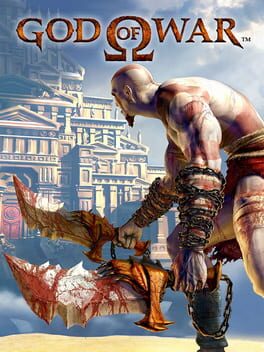
God of War (2018) — From the Bloody Shadows of the Past to the Redemption of Fatherhood
In the video game industry, taking a legendary franchise that has leaned on a particular formula for years, sold millions, and set the standards for the hack-and-slash action genre — then uprooting it entirely to recreate it with a completely different spirit, a different camera angle, a different mythology, and most importantly a 'different maturity' — is an act of courage tantamount to suicide. Sony Santa Monica Studio and visionary director Cory Barlog accomplished precisely this impossible feat with God of War, released in 2018. They took Kratos — an iconic anti-hero who was a pure rage and revenge machine, who had literally put the Greek pantheon to the sword and drowned in the blood of gods — and transformed him into a father: weary, silent, haunted by the ghosts of his past, and trying to learn from his mistakes.
The game's opening sequence does not present us with the massive, thunderous, chaotic titan battles of the series' past. Instead, it begins with an incredibly quiet, melancholic, and personal moment. Aged Kratos — his beard grown long, the color of his famous red tattoo faded — is chopping down a tree with his axe for his deceased wife Faye. With every strike of the axe against the tree, you feel not only Kratos's physical strength but also the terrible guilt, sorrow, and weariness that the years have placed upon his shoulders. The goal is not something as massive as saving the world or annihilating a pantheon — the goal is utterly humble and poignant: to fulfill Faye's final wish and scatter her ashes 'from the highest peak of the nine realms.' This last request sends Kratos and his young son Atreus — who is still unaware of his own nature as a demigod — on an epic journey through a landscape teeming with colossal monsters, sinister gods, and mythological catastrophes.
The heart, soul, and narrative skeleton of the game is built entirely upon this incredibly tense, distant, yet profoundly deep bond between Kratos and Atreus. Kratos possesses the power to burn worlds to protect his son, yet he lacks the emotional intelligence to embrace him, tell him he loves him, or pat him on the back. Early in the game, when Atreus makes a mistake while hunting a deer and Kratos shouts at him, then reaches out to touch his son's shoulder but pulls his hand back in fear of the bloody memories of his past — this is one of the most powerful 'silent' moments in video game history. Kratos's greatest fear is not the Norse gods Baldur, Thor, or Odin; his true nightmare is that Atreus might one day surrender to the same uncontrollable rage, entering the cursed cycle that comes with being a god.
This deep narrative is crowned by the boldest and most awe-inspiring cinematographic choice in gaming history: the One-Shot Camera technique. From the very first second you start the game to the very last moment when the credits roll, the camera never cuts, never jumps to another scene, and the screen never goes dark for even a single second. This unparalleled technical achievement never separates the player from Kratos and Atreus's side for a single moment — staying at shoulder level, hovering like an invisible documentarian, it creates an incredible claustrophobic intimacy and an epic sense of realism.
The interpretation of Norse mythology in this game is far removed from the customary glittering heroic tales seen in popular culture. The gods here are corrupt, selfish, and extremely dangerous. Our main antagonist Baldur is a tragic figure who, due to his invincibility curse, can feel nothing — having forgotten pain, cold, and warmth, he has lost his mind because of this sensory void. While Kratos hides the truth from his son to protect him, Baldur's mother Freya has stolen her son's physical senses to protect him. This parallelism is a magnificent subtext about how 'overprotective parenting' can become toxic. The stories told by the severed head of the wisdom god Mimir, dangling from our belt, do not merely break the silence of the journey — they also deeply impress upon the player how cruel, cunning, and paranoid this universe truly is.
In terms of gameplay and combat mechanics, God of War transforms into a modern masterpiece without forgetting the series' old roots. The famous, fast, area-of-effect Blades of Chaos from the Greek era have been replaced by the Leviathan Axe — indisputably one of the most satisfying weapons in gaming history by pure feel. When you hurl the axe at enemies and then recall it magically back to your hand with a single button press, the vibration you feel in your palm and controller, the meaty sound on screen, and the enemy's destruction is nothing short of a design marvel. Battles are no longer a shallow affair of launching hundreds of enemies into the air with a single button press; they are a tactical, close-combat-heavy, and supremely brutal survival dance where you feel the weight of every axe strike.
Atreus is not an appendage waiting on the sidelines of this combat system — he is a vital component at its very center. This small child, who initially hides behind Kratos and is even hesitant to fire an arrow, gradually evolves into your greatest companion over the course of the game — a lethal partner who distracts enemies on the battlefield, completes your combos, and even saves you from death. Yet the emotional and gameplay zenith of both the combat system and the story arrives at that matchless moment when Kratos returns home to confront his past and pulls those infamous, chain-bound sins — the Blades of Chaos — from the chest. That scene is the spine-tingling moment when Kratos understands that denying his past is impossible, but that only by accepting it can he save his son.
The music is the invisible carrier of the game's solemn atmosphere. The deep, choir-heavy album infused with Northern European tones created by master composer Bear McCreary aligns perfectly with Kratos's state of mind. The deep, muffled, and mournful notes of the main theme are practically the audible form of Kratos's exhausted breath. Christopher Judge's voice performance as Kratos is legendary — every syllable carries authority, destruction, and a suppressed fatherly tenderness.
Ultimately, God of War 2018 is a flawless literary masterpiece about a man confronting the demons within himself and striving to leave his child a better world and a more righteous morality. Kratos has, for the first time, managed to break not the chains of gods or monsters, but the chains of his own rage. The serenity reflected on screen as they scatter the ashes from the mountain's highest peak into the wind is not merely the end of an adventure — it is the profound peace of a father who has finally won the colossal war within himself.