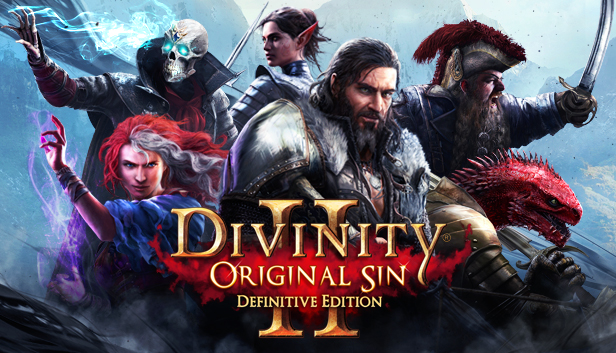
Divinity: Original Sin 2 — The CRPG Renaissance in Full Bloom
Divinity: Original Sin 2 is the game that put Larian Studios on the map and demonstrated that the CRPG genre was not only alive but thriving. Released in 2017, it offered a level of systemic depth, narrative freedom, and cooperative potential that had not been seen since the golden age of Baldur's Gate and Planescape: Torment. It was, in many ways, the proof of concept that made Baldur's Gate 3 possible.
The elemental interaction system is the game's most celebrated innovation. Fire spreads across oil puddles, rain creates electrifiable water surfaces, poison clouds ignite into explosions, and ice can be melted into steam that blocks line of sight. Every battle is an environmental puzzle where creative use of elemental combinations can turn seemingly impossible encounters into satisfying victories. The joy of discovering a new interaction — blessing a poison surface to create healing fields, for instance — never diminishes.
The four-player cooperative campaign is extraordinary. Each player can pursue their own narrative goals, sometimes in direct conflict with their companions. Conversations can be listened to, interfered with, or ignored entirely. The game tracks individual player choices and adjusts its narrative accordingly, creating a uniquely social storytelling experience that feels genuinely collaborative.
The origin characters — Ifan ben-Mezd, Red Prince, Sebille, Lohse, Fane, and Beast — are among the best-written companions in CRPG history. Each has a deeply personal quest that intersects with the main narrative in surprising ways. Playing as an origin character transforms the entire experience, providing unique dialogue options, exclusive storylines, and different perspectives on the game's events.
The Game Master Mode provides a genuine digital tabletop RPG experience. A dungeon master can create campaigns using the game's assets, populating maps with NPCs, enemies, and narrative events in real-time while players explore and react. This mode effectively transforms Divinity: Original Sin 2 into a persistent, multiplayer RPG creation tool that extends its lifespan indefinitely. The creative possibilities within this mode have spawned a thriving community of custom campaigns that rival the quality of the base game.
The Definitive Edition, which overhauled Act 3 with substantial new content, improved tutorials, and refined balance, demonstrated Larian's commitment to post-launch excellence. The addition of new journal entries, revised encounter design, and an entirely reworked final act addressed the original release's most significant criticisms while preserving the game's core identity. The console ports, particularly the controller-optimized split-screen co-op on PlayStation and Xbox, made the CRPG genre accessible to an entirely new audience.
The modding community has produced extraordinary content that expands the game in creative directions. Class overhaul mods, additional companion storylines, and complete game-balance reforms ensure that players who have exhausted the base campaign can find hundreds of additional hours of curated content. Larian's open attitude toward modding laid the groundwork for the robust mod support that would later define Baldur's Gate 3.
The tactical combat encounters, while turn-based, generate extraordinary tension through their environmental interactivity and consequence permanence. A single misplaced fireball can ignite an oil surface and wipe out allies and enemies alike. Water puddles become electrified death traps. Cursed surfaces spread corruption that must be cleansed before safe traversal. This environmental chess game rewards forethought and punishes carelessness with equal severity, creating encounters that feel genuinely dangerous regardless of party level.
The narrative branches and consequence systems create a game that is nearly impossible to fully experience in a single playthrough. Key decisions — who to side with during the Magisters' purge of Source users, whether to sacrifice your own power for an ally's survival, how to resolve the conflict between the divine candidates — create genuinely different gameplay experiences that reward multiple playthroughs with fresh content and perspectives.
The crafting system provides a layer of creative problem-solving that extends beyond traditional inventory management. Combining a nail with a poison flask creates a poison-tipped lockpick. Merging a rope with a sharp weapon creates a grappling hook. These recipes are not explicitly documented, encouraging experimentation that rewards players with useful tools and powerful consumables. The ability to craft at any point during exploration or combat creates opportunities for improvisational solutions that feel genuinely clever.
The arena encounters in Act 2 provide some of the game's most entertaining and strategically demanding content. Fighting before a crowd of spectators, with special rules and escalating challenges, tests every aspect of party composition and tactical knowledge. The rewards from arena victories include unique items and narrative opportunities that cannot be obtained elsewhere, creating compelling motivation for combat-focused players to engage with this optional content.
Divinity: Original Sin 2 is a masterwork of game design that rewards creativity, experimentation, and cooperative play. It is a game where every problem has multiple solutions, every battle is a dynamic puzzle, and every conversation can lead to unexpected consequences. It is the foundation upon which the modern CRPG renaissance was built.