Borderlands — The Birth of the Looter-Shooter in a Beautiful Wasteland
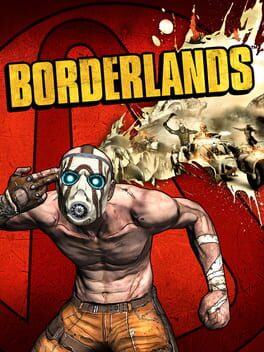
To truly appreciate the absolute majesty of the original Borderlands, released by Gearbox Software in 2009, you have to understand the enormous, studio-breaking risk it represented. For the majority of its development cycle, Borderlands was a gritty, realistic, brown-and-gray sci-fi shooter that looked completely indistinguishable from the dozen other Halo or Gears of War clones flooding the market at the time. In an act of sheer, unparalleled creative bravery, the art team made a last-minute, eleventh-hour decision to scrap the entire visual identity of the game. They pivoted to a striking, heavily stylized, thick-lined, cel-shaded comic book aesthetic. That single, terrifying decision not only saved the game from obscurity but accidentally birthed an entirely new subgenre that dominates the industry today: the "looter-shooter." Borderlands is the granddaddy of Destiny, The Division, and Warframe. It took the addictive, dopamine-pumping, randomized loot mechanics of action-RPGs like Diablo and violently smashed them into the kinetic, first-person gunplay of a traditional shooter. The result was pure, unadulterated digital magic.
The setting of Borderlands is the desolate, unforgiving, and deeply atmospheric planet of Pandora. While the later games in the franchise (Borderlands 2 and 3) would lean heavily into wacky, meme-filled, internet-humor absurdity, the original 2009 game possesses a remarkably different, almost melancholic tone. Pandora feels like a genuine frontier—a dusty, violent, post-apocalyptic wasteland heavily inspired by the Mad Max films. It is a planet that was colonized by mega-corporations looking for alien technology, only to be abandoned the moment the money dried up, leaving behind a desperate population of scavengers, psychotic bandits, and mutated wildlife. As you traverse the arid deserts, toxic garbage dumps, and rusted shantytowns, there is a profound sense of isolation and decay. The humor is present, yes, but it is a dry, cynical, gallows humor born from people who live every day expecting to be eaten by a Skag.
You step into this wasteland as one of four "Vault Hunters," mercenaries searching for a mythical alien vault supposedly filled with endless wealth and advanced technology. The genius of the character selection is how it deeply impacts the way you interact with the FPS mechanics. Roland, the Soldier, offers a traditional run-and-gun experience supported by a deployable Scorpio Turret; Lilith, the Siren, utilizes alien magic to shift into an alternate dimension, reposition, and unleash elemental devastation; Mordecai, the Hunter, acts as the sniper, sending his vicious pet bird, Bloodwing, to harass enemies from afar; and Brick, the Berserker, literally puts his guns away to run screaming into battle, pummeling enemies to death with his bare, massively oversized fists. The deep RPG skill trees allow you to fundamentally alter the behavior of these abilities, offering a level of character customization that was previously unheard of in a pure first-person shooter.
But the true, undeniable hook of Borderlands—the beating heart that keeps players glued to their screens until 4:00 AM—is the procedural gun generation system. The game famously boasted that it featured "bazillions of guns," and it was not entirely a lie. The weapon system is an algorithm that randomly stitches together different stocks, barrels, sights, and elemental capacitors to create completely unique firearms on the fly. You might find a shotgun that fires explosive rockets, a sniper rifle that shoots bursts of corrosive acid, or an assault rifle that regenerates your ammunition. The pure, psychological thrill of seeing a loot chest open, and watching that glowing beam of color erupt into the sky—green for uncommon, blue for rare, purple for epic, and the legendary, mythical orange—is an unmatched rush of dopamine. You are constantly chasing the dragon, hunting for that one specific weapon with slightly better stats to make your Vault Hunter an unstoppable god of destruction.
This chaotic pursuit of loot is elevated to stratospheric heights when you introduce cooperative multiplayer. Borderlands was built from the ground up to be played with friends. Jumping into a four-player lobby completely changes the dynamic of the game. The enemies become exponentially tougher, but the quality of the loot drops skyrockets. The synergy of combining Lilith’s crowd-control abilities with Roland’s healing turret and Brick’s frontline aggression turns the game into a beautiful symphony of hyper-violence. The sheer chaos of four players screaming over voice chat, coordinating attacks against massive, screen-filling bosses like the terrifying Rakk Hive, and then aggressively scrambling to grab the best loot that drops from its corpse, is a uniquely bonding multiplayer experience.
Finally, we must talk about the auditory landscape, specifically the phenomenal, atmospheric soundtrack composed by Jesper Kyd. Moving away from traditional orchestral or heavy metal shooter soundtracks, Kyd crafted a score heavily reliant on acoustic guitars, twangy steel strings, tribal percussion, and ambient electronic synthesizers. The music perfectly captures the lonely, sun-baked, dangerous essence of Pandora. Tracks like "Welcome to Fyrestone" evoke the feeling of a classic western standoff in a sci-fi universe. Borderlands may feel a bit clunky by modern standards, its narrative might be paper-thin, and its ending might be notoriously abrupt, but its legacy is absolute. It is a wildly addictive, fiercely original, and beautifully stylized masterpiece that proved mixing RPG spreadsheets with shotgun blasts was a recipe for unparalleled joy.